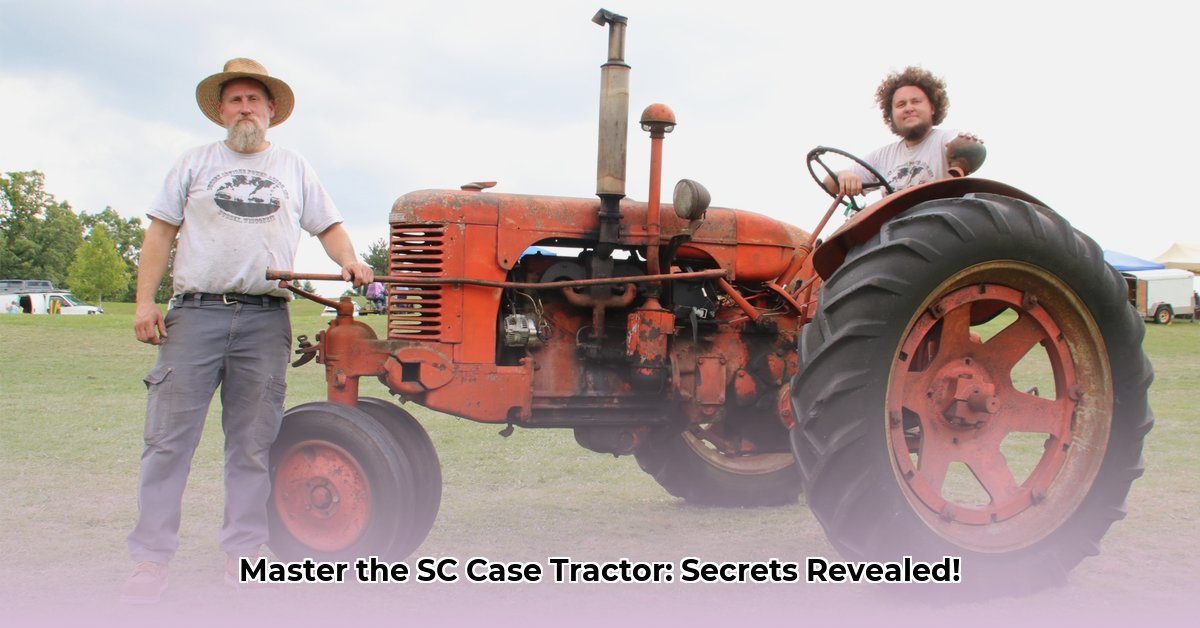
SC Case Tractor: A Timeless Workhorse
The J.I. Case SC tractor, a mid-20th-century farming icon, warrants a closer look. Produced between 1941 and 1954, nearly 60,000 of these robust machines significantly impacted American agriculture. But what distinguished the SC Case? This guide explores its history, model variations, technical specifications, and current market value. For more in-depth information, check out this helpful resource: SC Case Tractor Details.
Did you know that the SC Case's enduring popularity among collectors speaks volumes about its quality and impact on modern farming?
The Engine: The Tractor's Heart
The engine is paramount to any tractor's functionality. The SC Case featured several powerful four-cylinder options, each with varying horsepower ratings. These weren't merely cosmetic differences; engine variations directly impacted field performance, affecting fuel efficiency and operational capabilities. Higher horsepower models, for example, were favored by larger farms, reflecting the needs of the time.
Model Variations: More Than Just a Name
The SC Case was not a monolithic machine. Several versions existed, each with unique features. The initial "S" model paved the way for the SC, followed by the SC-3, SC-4, SI, and SO. These weren't minor alterations; variations included wheelbase length, overall weight, and specialized features suited for orchards or industrial use. Case aimed for broad applicability, contributing to the tractor's widespread adoption. How do these variations influence a vintage SC's current value? That's a key consideration for collectors.
Family History: The SC's Roots and Legacy
Understanding the SC Case requires examining its lineage. The "S" series tractors preceded it, influencing the SC's design. Conversely, the SC's design elements informed subsequent Case models. Tracing this lineage reveals design choices and overall impact. It offers a fascinating view of agricultural technology's evolution and suggests that analyzing earlier models provides deeper insight into the SC's design progression.
A Collector's Item: How Much Is It Worth?
While a new SC Case cost approximately $1700 in 1955 (a substantial sum then), determining its current value proves challenging. Reliable online auction data remains scarce, necessitating ongoing research to establish accurate valuation models. Several factors impact its value, including the specific model variant, its condition (restoration level), and the growing interest in vintage farm equipment. Some experts suggest that thorough historical documentation can significantly enhance its value.
What methods can enthusiasts use to obtain a more precise price estimate? This will be explored in the following section.
How much would you pay for a meticulously restored SC Case tractor with a complete history?
The SC Case Today: Its Enduring Legacy
The SC Case tractor, a piece of agricultural history, remains relevant. Collectors actively seek these machines, preserving a piece of the past. Historians study them to understand 20th-century farming changes. Appraisers continuously refine valuation methods for these iconic machines. Future research may uncover more about their social and economic impact.
For Collectors and Enthusiasts: Steps to Consider
Collectors and enthusiasts can follow these steps:
- Network and Investigate: Go beyond online auctions. Explore private sales channels. Networking with other collectors provides valuable information.
- Know Your Model: Grasp the nuances of different SC variants. A well-maintained SC-4 likely surpasses a neglected SC in value.
- Document Everything: Meticulously document your SC Case's history, maintenance records, and photographs. This documentation enhances its value and aids researchers. Include original manuals, if available.
- Contribute to the Knowledge Base: Share your findings. Participate in online forums and contribute to vintage tractor databases. Increased information improves our understanding of the SC Case's true worth and impact.
The SC Case tractor's story extends beyond mechanics; it represents a pivotal moment in agricultural technology. Its enduring appeal reflects its quality and role in shaping modern farming. Further research on this fascinating piece of history is encouraged.
How to Determine the Current Market Value of a J.I. Case SC Tractor
Key Takeaways:
- Accurately pricing a used J.I. Case SC tractor involves multiple factors.
- Condition, age, and operating hours are crucial.
- Location matters; regional demand varies considerably.
- Online tools offer initial estimates, but professional appraisals are best for high-value sales.
- Thorough documentation significantly enhances value.
Understanding the J.I. Case SC Tractor's Market
The J.I. Case SC holds a significant place in agricultural history. Its current value extends beyond its age. Let's explore the key valuation factors.
Key Factors Affecting Value
Several elements influence a used Case SC's price. Consider it like a classic car; a pristine example is worth far more than a neglected one.
- Condition: A well-maintained tractor commands a premium. Rust, wear, and tear diminish value.
- Hours of Operation: Like a car's mileage, low hours indicate less wear and tear, impacting resale value.
- Age: Older tractors generally depreciate more, even in excellent condition.
- Attachments: Included implements (plows, loaders, etc.) increase overall worth.
- Location: Regional demand is crucial; higher demand areas mean higher prices.
- Horsepower: Higher horsepower models typically command higher prices.
Finding the Value: A Step-by-Step Guide
Determining the current market value effectively involves these steps:
- Gather Information: Note the tractor's model year, horsepower, hours, and attachments. Assess its condition (excellent, good, fair, or poor). Document repairs and maintenance.
- Use Online Resources: Several online resources estimate values, but these are starting points only.
- Consider Local Markets: Regional differences matter; check local sales listings for comparable tractors.
- Professional Appraisal: For high-value tractors, a professional appraisal is recommended for accurate valuation.
Regional Variations and Market Trends
Regional markets significantly influence a used Case SC's value. Agricultural practices, local economies, and weather patterns affect demand. A tractor well-suited to a specific region may fetch a higher price there. Consider these variations when assessing prices.
The Importance of Documentation
Meticulous records greatly enhance a tractor's appeal. Complete service histories demonstrate proper maintenance. Original manuals and paperwork authenticate the tractor's history and condition. This detailed record-keeping is invaluable.